Military had a similar problem, so they created the stock number and manufacturer codes. Pretty much every part in stock is known by its manufacturer and part number combination.
Not everybody own $4k monitors, so automatic brightness isn’t always available.
Regardless though, due to the design inconsistencies of the system, one screen is too bright that causes to reduce the brightness and another one uses literally 1/1,000,000 contrast difference between tabs to distinguish the active one, so it’s impossible to get a base brightness correct.
I’m using a MacBook Pro M4 and as I move around the house, automatic brightness either tries to blind me despite I’ve been in a dark room for a minute, or simply refuses to turn the brightness up when the sun is shining down into the room. It’s certainly designed for a certain environment, but not definitely a home.
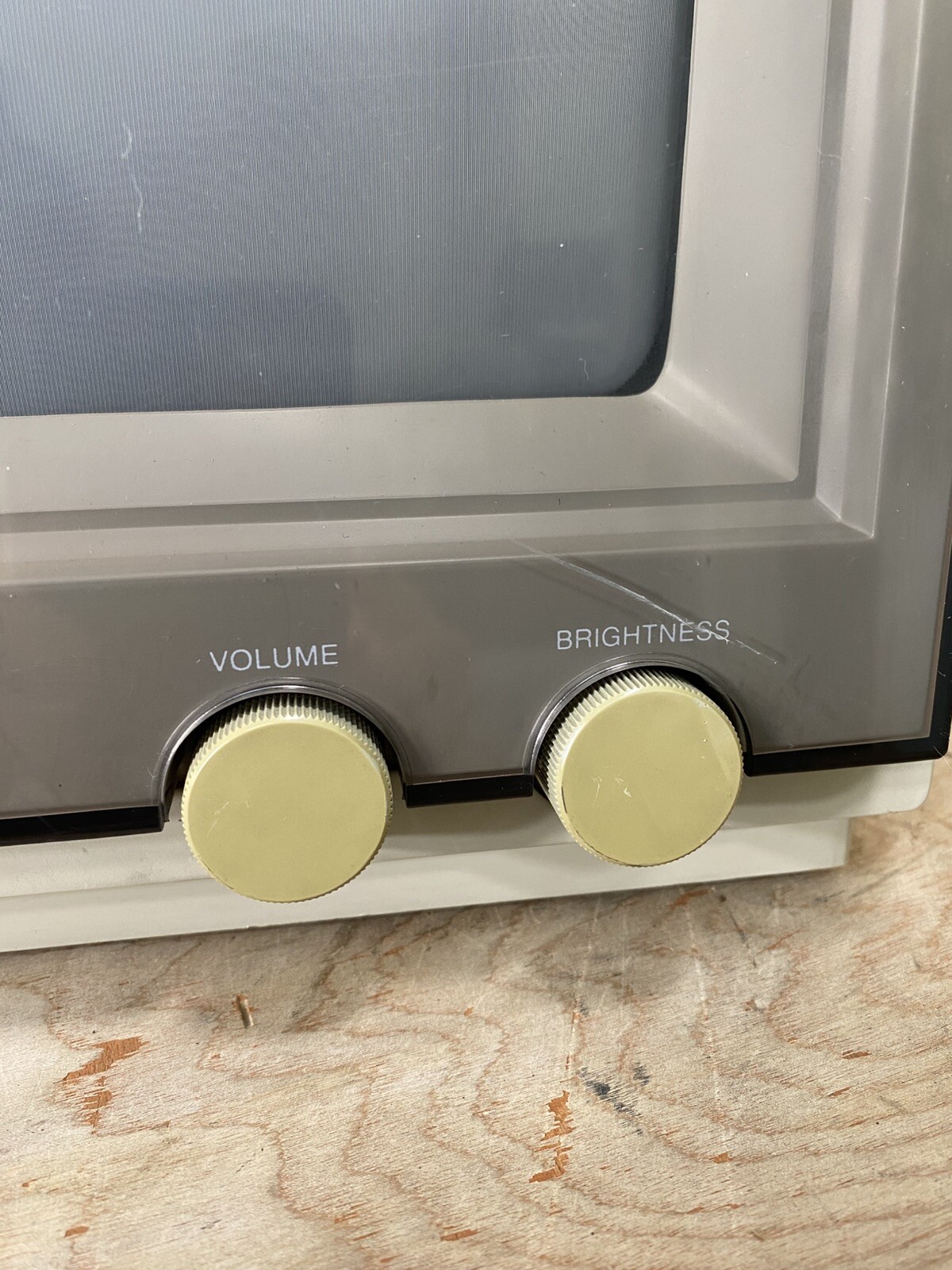
Monitors used to have easy rotary buttons to adjust brightness and contrast. Though I don’t remember it actually being necessary that often. Of course, the monitors rarely changed location.
In assuming you are not using your keyboard to set brightness because it’s an external display plugged into a laptop? Search for a DDC application for your desktop, it’s amazing, the brightness controls of your laptop will then control the external display as well. I use lunar on my MacBook, it was a revelation.
According to my (limited) testing, you can only control brightness when the transfer function used on the HDR content you see is HLG. When it is PQ, the luminance seems to be “absolute” and ignores the display’s brightness settings.
This isn’t even good design Apple used to known for anymore, making everything glassy and sacrificing the user health is simply asinine. Computers are not meant to be decorations that sit on a shelf, but interacted with all day, and the fact that we’re missing that aspect speaks volumes.
And hence under no circumstances one should ship a code that just doesn’t do what it’s supposed to do in the first place, we know the cloud doesn’t use it much, but c’mon it’s a critical part of the system.
They’re at the last step of their enshittification process, where the focus is to extract money from everyone, not to ship a good product or fix things.
The DC-10 and MD-11 are both McDonnell Douglas. They merged into Boeing, but instead of Boeing’s safety and innovation oriented culture, McDonnell‘s finance bros won with their cost and corner cutting measures.
Aviation rules are written by blood, you either follow them or you add a few more lines with your own blood.
> Aviation rules are written by blood, you either follow them or you add a few more lines with your own blood.
Please, what fool subjects their own blood to the absence of regulation? If you've got blood on your hands, much better for it to be a customer that has already paid you.
Mostly legacy industrial machines that need some additional software for telemetry, scheduling, automation etc.
These machines are likely to live at least another 10-15 years and even the brand new ones being sold today uses Windows 7.
Modern languages and frameworks proceed and leave these old systems behind, but everything from our infrastructure to manufacturing capacity that exists runs on legacy systems, not modern computers. The cost of replacing the computers is usually more than the machine itself.



We only realized the issue after using it for a few days and needing to use an advance feature.
So, it’s not just one sellers product mingled with another, but also sellers combining similar looking products together as well.
reply