You mean the cook who will in the same unendingly patient and helpful manner sometimes confidently suggest putting glue into your dishes and serving your guests rocks for lunch?
What bad product? I'm not as categorical as OP, but acting like this is a solved problem is weird. LLMs being capable of generating nonsensical stuff isn't a one-off blip on the radar in one product that was quickly patched out, it's nigh unavoidable due to their probabilistic nature, likely until there's another breakthrough in that field. As far as I know, there's no LLM that will universally refuse to try outputting something it doesn't "know" - instead outputting a response that feels correct but is gibberish. Or even one that wouldn't have rare slip-ups even in known territory.
There's a difference between recent frontier coding LLMs and Google doing quick-and-cheap RAG on web results. It's good to understand it before posting cheap shots like this.
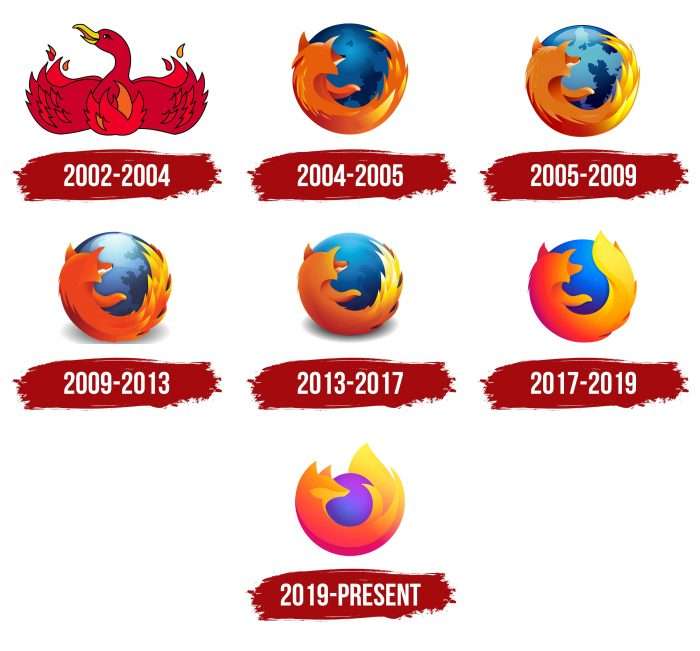
Is it though? To me the animal on logos used by Firefox [1] always looked more similar to a red fox [2] than a red panda. Note pointy nose with the bottom colored white. Even the latest logo that shows more of the side of the face lacks the kind of patterns distinctive of the red panda. The -fire part of the name seemed to be represented by the flaming tail, not the animal itself.
Yes, especially the first Firefox logo has a distinct snout. I have no primary source to quote, but there are plenty claims, referencing each other, that the name stems from the nickname of the red panda.
I was wondering if there is any official statement about the name.
But it seems most common to think of a (speedy?) fox with a flaming tail. How to derive a dog's burning relative from a phoenix seems to remain uncertain.
This is surprising to me because not long ago I bought a Roomba i5 specifically because it was one of the few robot vacuums that could still work fully off-line (in the "just vacuum everything reachable" mode, but I don't need anything else).
No comment on Anker quality, but the "feels well made" feeling is something that has been known and gamed (for example, by including dummy weights in devices) in the hardware industry since forever. It is relatively unrelated to things you as a consumer may actually care about (like adherence to safety standards or amount of engineering effort put into the longevity of a product).
> No comment on Anker quality, but the "feels well made" feeling is something that has been known and gamed (for example, by including dummy weights in devices) in the hardware industry since forever.
Yup but for Anker devices you have a lot of nerds picking them apart on Youtube. If Anker were to engage in shady practices, the uproar and resulting shitstorm would be on a scale that could tank the entire company.
IMHO, Anker is one of the last remaining (funny, the company isn't that old) "brands" in the original sense.
That said, the last two Anker power pack models I've bought were both recalled for sometimes exploding/melting down in use. Once I'll give them, but twice? In a row?
You could also count recalls as a higher quality signal: QA, people testing, how they handle the recall & replacement, etc. Way better than not hearing anything because nobody's looking. I'm skeptical Anker is doing crazy-unique things with their manufacturing, vs. an OEM manufacturer cutting corners to save pennies.
A lot of big manufacturers have had recalls (for things like laptop batteries, vehicle batteries, the infamous Hoverboards, etc) so I wonder what Anker's batting average is compared to others. It's clearly a hard problem and squeezing in the level of density that customers expect means potentially thinner safety margins.
One of mine bought in 2017 was recalled and replaced, which impressed me: how many of the word salad brands of today would even be around to handle a recall if their devices decide to spontaneously combust?
If that's the point, just chuck the thing into a boiling vat of acid and declare with a condescending voice "whoops, looks like they still haven't quite managed that boiling vat of acid problem despite knowing I test this on every new model". I'm sure that will get those likes and subscribes.
Or are people actually putting a lighter to the phone's screen during day-to-day use so that it matters how many seconds it survives?
Recently I've received an email from my eye specialist addressed to all her patients urging people not to look at the sun. At the same time I've also seen a similar public warning published in local media.
Apparently there has been an sharp rise in people coming in with retinal damage from staring at the sun. They didn't go into details why someone would do that, but reading this on HN I can start to guess.
Until I see some definite proof, I'm going to put this in the FUD box.
There's seems to be a concerted effort at making people afraid of the sun. My guess is because the sun fixes a lot of problems, and problems mean profit.
Seriously, take a step back. If spending time in / looking at the sun was dangerous we wouldn't be here.
I don't think YouTube needed to do anything. The change influenced creators' bottom line so they are motivated on their own to mobilize their viewers against this change.