When I learnt that Kodak deleted that Xinjiang photo, I stopped buying their products. Fine to not post initially, but publishing then deleting and apologizing shows weak corporate backbone.
No one is against using AI or coding with agents unless you don't understand what it's doing and you're incapable of reviewing the output. The problem isn't the tool, it's "coders" who unthinkingly trust it without verification.
This is why you don't let Claude handle versioning and the release process. From v0.1.0 to v1.0.0 to v2.0.0, and then suddenly 1.2.0? Semantic versioning isn't quantum mechanics. (Even then, I'll admit it's sometimes hard for me too to decide the right increment when tagging versions. :)
Using a 3-digit version like semver, while assigning different semantics, is a recipe for confusion if anyone except you ever refers to a package using this "rule of thumb".
I agree, the initial set of releases were all over the place. I took the feedback from this thread and fed it to Claude along with the semver.org references that were linked here for more detailed (and pedantic) context. Makes way more sense now. Thanks for the feedback! Claude handled the cleanup. Here's the updated releases: https://github.com/derekg/ts-ssh/releases
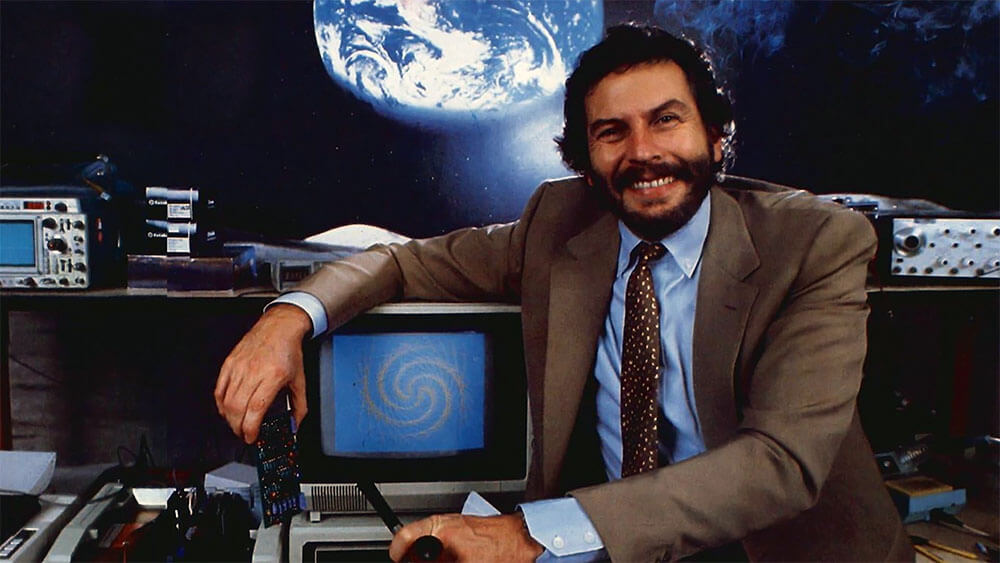
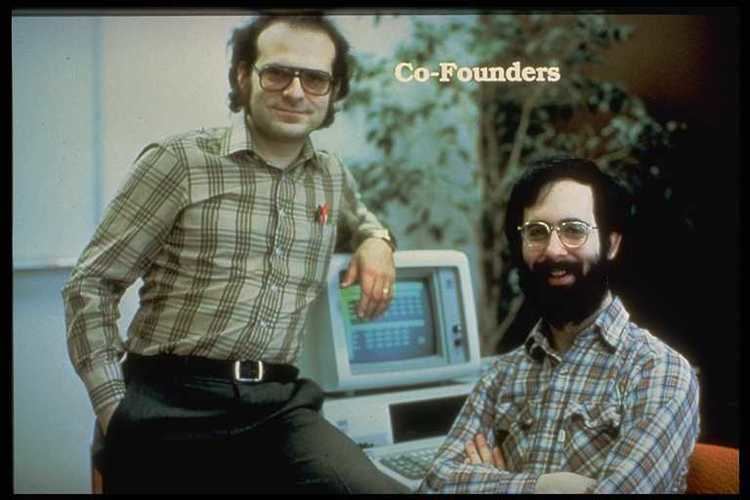
Also, looking at abandoned blogs and old photos of people lying next to their computers from the early 2000s is so interesting. It captures a time when people truly connected with their machines and made them part of their identity.
Hmm - rather than identity, I suspect it was more of a marketing trope.
I associate this genre of photo with the photo-shoots with Gates, Jobs and others. All the interviews and full page ads in the 80s 90s had variations of sitting/lying on desks, hugging CRT monitors or the classic folded-arms lean on a CRT from behind.
I don't recall old-school blogs doing this or really having author photos at all (photos on that bandwidth/hosting?!) but I imagine whenever a blogger was interviewed for print media they would lean on the "computer person" standards.
We have created many innovations to speed up tasks and simplify certain jobs. These improvements are always marketed as ways to create more time for family, leisure, and personal interests. But they didn't actually free up time for these purposes. Instead, the extra time is often filled with even more work.


Previously discussed on HN: https://news.ycombinator.com/item?id=28024539